
Every travel blog covering Madeira lists the same five things. This is not that list. These are the 15 experiences that people who actually live here recommend — some well-known, some completely off the tourist trail.
Every travel blog covering Madeira lists the same five things. This is not that list.
These are the 15 experiences that people who actually live here recommend. Some are well-known but misunderstood. Some you will not find in any guidebook. All of them are genuinely worth your time.
**Quick Answer:** The single most unmissable experience on the island is Pico do Arieiro at golden hour — sunrise or sunset, both work. After that: the north coast road trip, whale watching from Calheta, and espetada at Vila do Carne. Those four alone justify the trip.
What's in this guide
1. Pico do Arieiro — Sunrise or Sunset
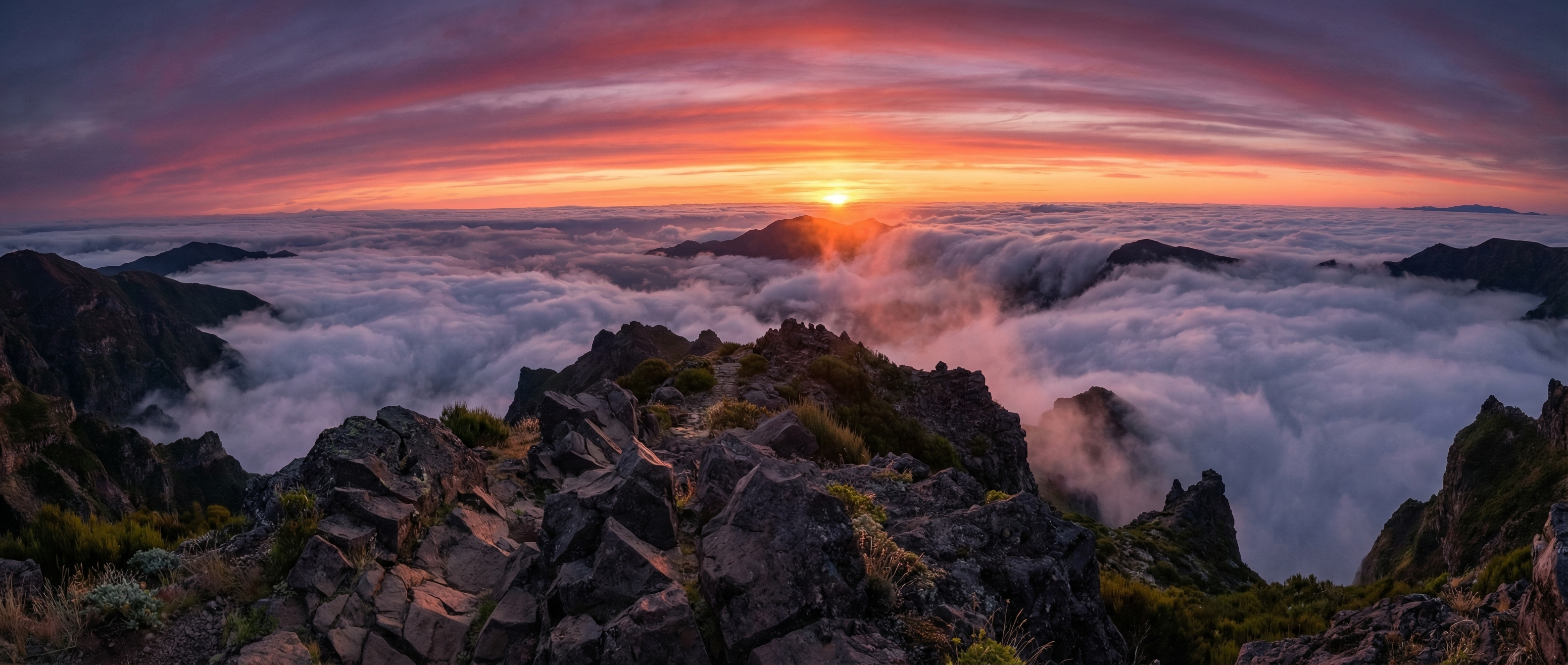
At 1,818 metres, Pico do Arieiro is Madeira's third highest peak and, on a clear day, one of the most extraordinary viewpoints in Europe. When the clouds sit below the summit and the light turns the sea of mist orange and pink, you understand why people come back to this island again and again.
Here is the thing nobody tells you: everyone wants the sunrise. That is exactly why it gets crowded. If you do not enjoy driving mountain roads in the dark at 5 AM, go for sunset instead. The colours are just as dramatic, the atmosphere is just as special — and you are far more likely to have space to breathe and actually take it in.
Both seasons work. Winter sunsets can be stunning. Summer sunrises have longer days behind them. There is always a good opportunity.
**Essential tip: bring warm clothes.** Seriously. At 1,800 metres it can be 10-15°C colder than Funchal, even in the middle of summer. People underestimate this every single day. A light jacket is not enough.
**Practical info:** The road to the summit is paved and accessible by regular car. There is a small café at the top. If you want to extend the experience, the PR1 trail across to Pico Ruivo is one of the best hikes in Portugal — allow 3-4 hours.
2. Wine Tasting at Blandy's
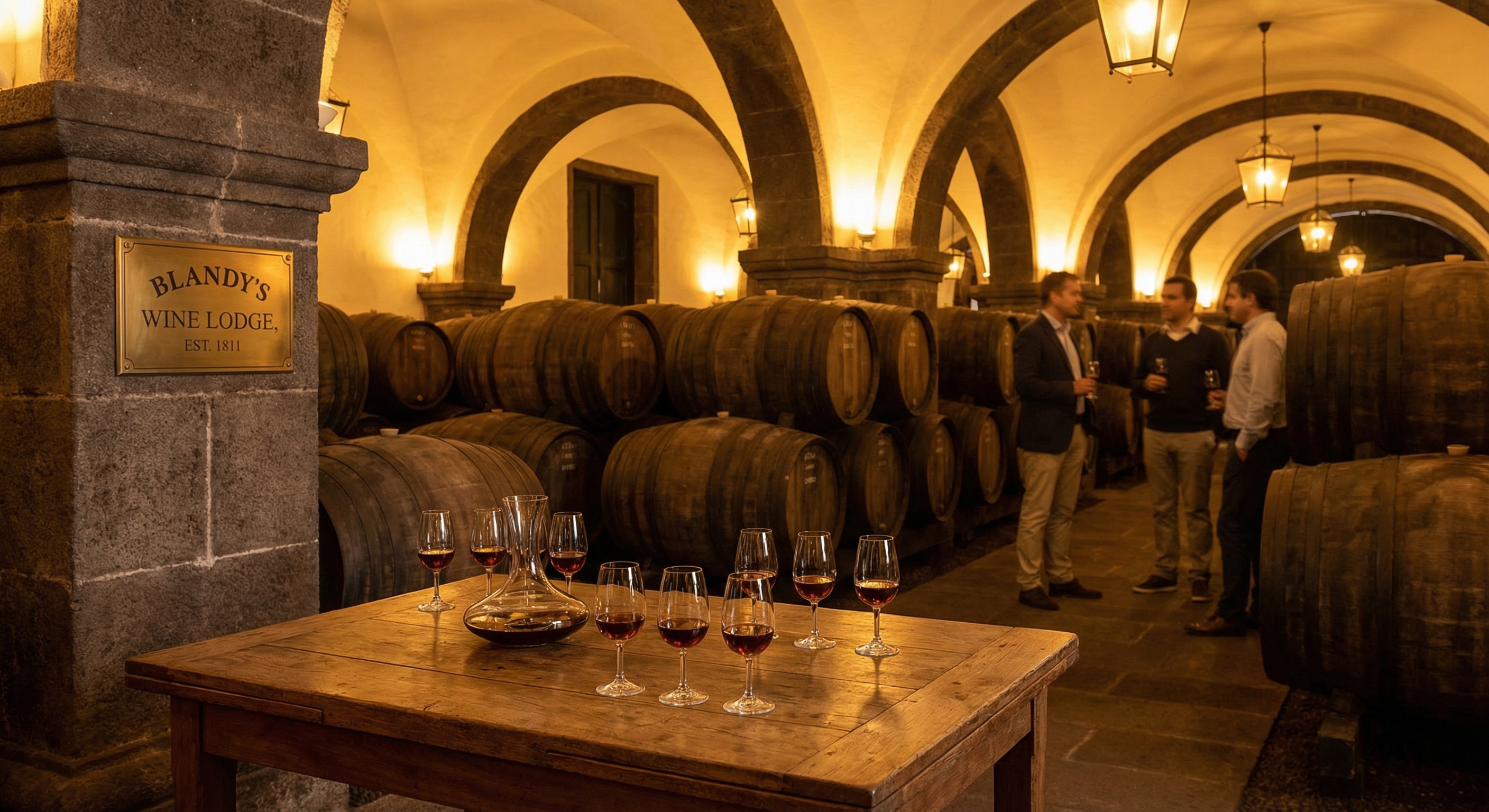
Blandy's Wine Lodge in Funchal is one of the oldest Madeira wine houses in the world — the family has been here since 1811. The cellars are in the heart of the old town and the guided tasting is one of the most accessible introductions to Madeiran wine culture you will find anywhere on the island.
The tasting itself is enjoyable and well-paced — not intimidating, even if you know nothing about wine. What makes it genuinely memorable is the combination: Madeira wine alongside the chocolates and bonbons they serve with it. The sweetness of the dessert wine against good chocolate is a pairing worth experiencing.
Madeira wine is unlike anything you have tasted elsewhere. It is fortified, heat-treated, and aged for years — sometimes decades. Some of the bottles in the cellar are over a century old and still perfectly drinkable. The Verdelho and Malmsey styles are the best starting points.
**Practical info:** Tours run Monday to Friday at 11:00, 14:00, and 15:30, and Saturdays at 11:00 and 14:00. The lodge is at Avenida Arriaga 28, Funchal. Book ahead in summer.
**Local tip:** Combine with a walk through the Mercado dos Lavradores two minutes away — best done in the same afternoon.
3. Cristo Rei in Garajau
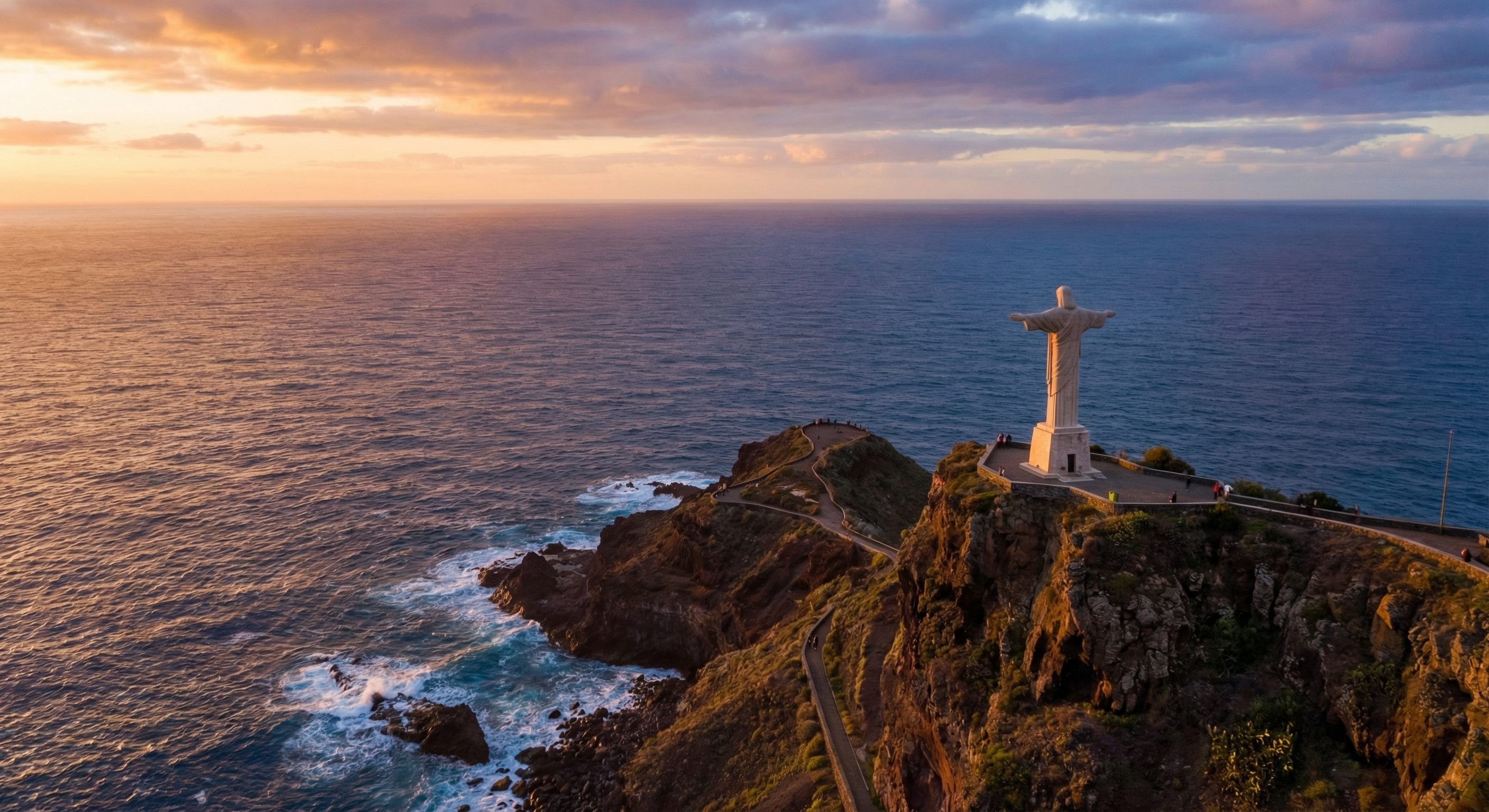
Most visitors drive past the Cristo Rei statue on their way from the airport into Funchal without knowing it is there. That is a genuine missed opportunity.
The statue stands on a cliff above the ocean near Garajau, about 10 km east of Funchal. The views across the bay towards the city and the Desertas islands are beautiful at any time of day — but at sunset, the light turns everything golden and the atmosphere is exceptional. We have stood there watching dolphins swim through the ocean below, which is the kind of moment that does not happen on a tour bus.
If the name or the setting means something to you from a faith perspective — or if you have ever been moved by the Cristo Redentor in Rio de Janeiro — the Madeiran version carries its own quiet power.
One more detail worth knowing: this is a spot that locals actually visit. It is not just a tourist attraction. The terrace café next to the statue is a good place to sit with a drink or a sandwich and watch the bay below.
**Practical info:** Accessible by car, free to visit. A cable car runs down to the beach and marine reserve below, which is one of the best snorkelling spots on the island. The waters around Garajau are a protected marine reserve.
4. Calheta Beach
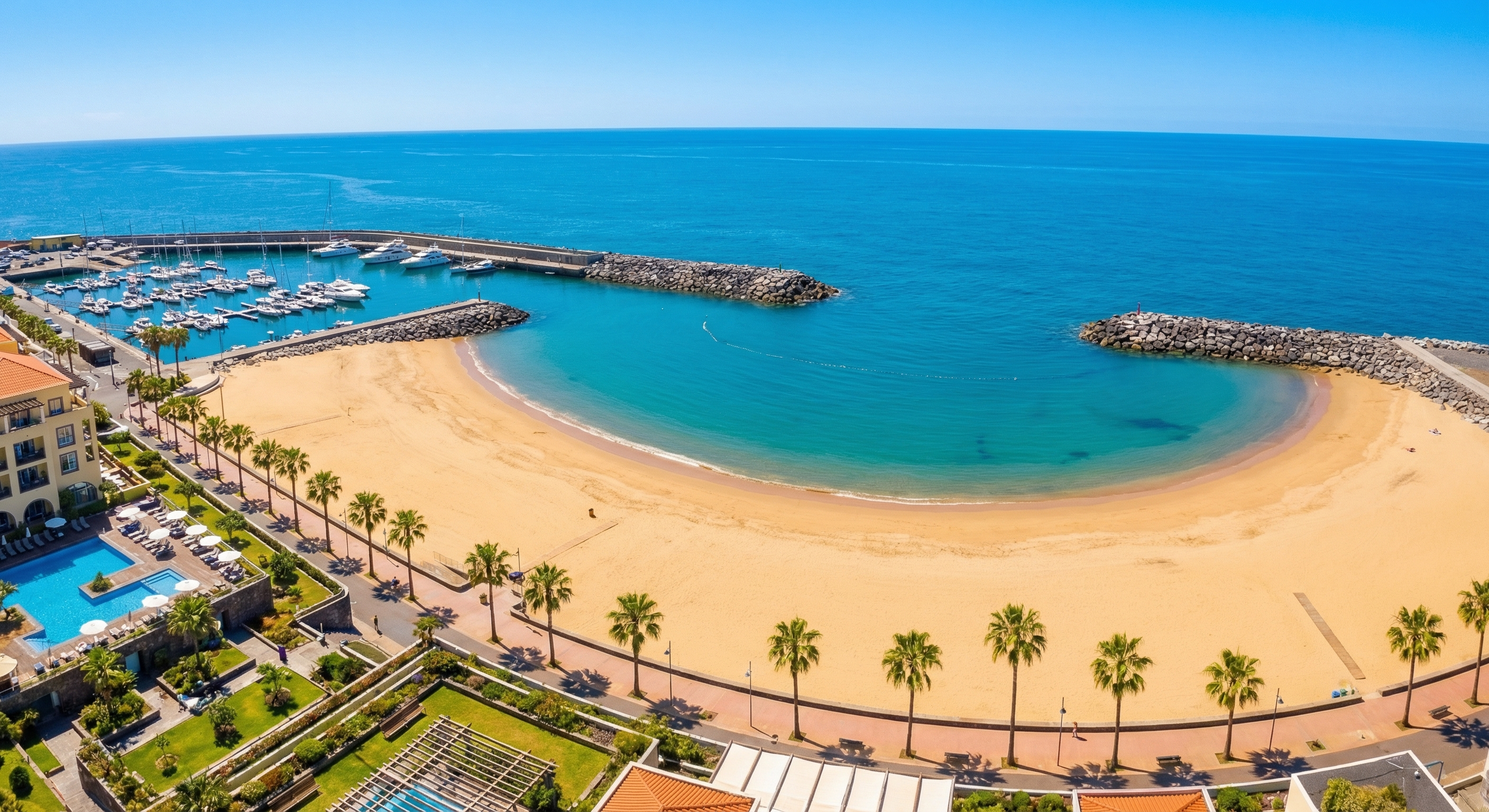
Madeira is not a beach island — most of the coastline is dramatic volcanic rock, which is part of what makes it beautiful. But Calheta is the exception, and it is worth the drive.
The sand was imported from the Sahara and the bay is naturally sheltered, which makes the water calm and ideal for swimming. It is an oasis compared to the rest of the coastline — the kind of place where you can genuinely spend a full day doing nothing but swimming, eating, and relaxing.
Beyond the beach itself: there are padel courts right next to the park if you want to be active, a good Italian ice cream place nearby, and restaurants along the seafront for lunch. You can fish from the pier. You can do absolutely nothing. Both are valid options.
**One honest warning:** Parking at Calheta can be extremely busy in summer and on weekends. Go early, or be prepared to walk a few minutes from wherever you find a space.
**Local tip:** Calheta is also the departure point for whale watching trips — combining a morning on the beach with an afternoon on the water makes for a perfect full day on the west coast.
5. Dolphin and Whale Watching from Calheta
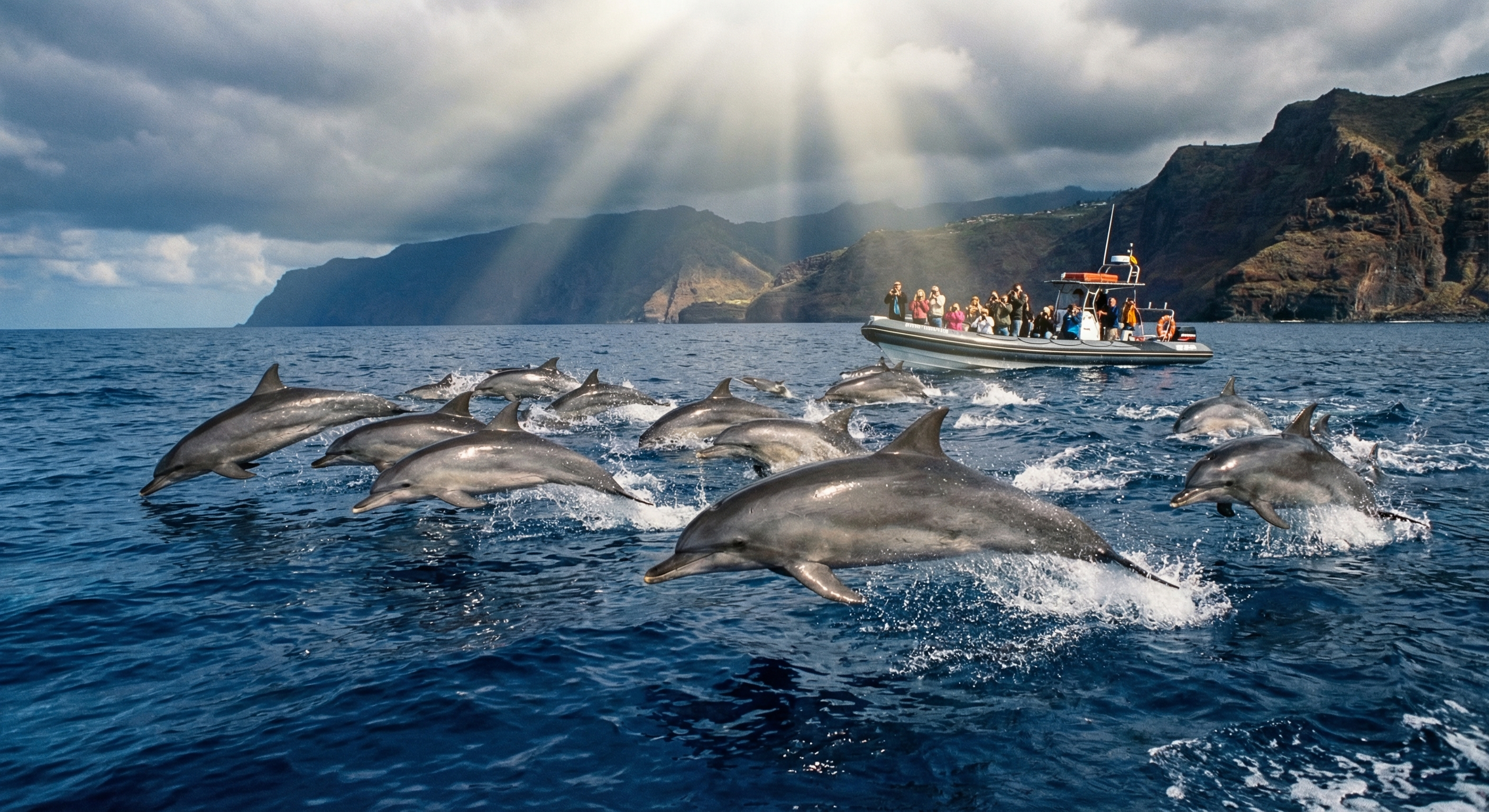
Every tourist brochure recommends whale watching from Funchal. Locals go from Calheta.
The difference comes down to scale. Funchal has a lot of supply, but it also has a lot of demand — and the result is boats that are large, trips that feel commercial, and an experience that can end up feeling like a conveyor belt. Calheta's boats are smaller, the groups are more personal, and the west coast consistently delivers better sightings.
Year-round, you have a strong chance of seeing bottlenose dolphins, common dolphins, pilot whales, and sperm whales. But here is the one thing locals know that most visitors do not: once a year, orcas migrate past Madeira seasonally. If your timing is right and you are on a boat from Calheta, you could be watching killer whales pass the island. That is not something that happens on a Funchal harbour tour.
**Species regularly spotted:** Bottlenose dolphins (year-round), common dolphins (year-round), pilot whales (year-round), sperm whales (spring and summer), loggerhead sea turtles (summer), orcas (seasonal migration, once yearly).
**Practical info:** Trips from Calheta typically run 2-3 hours. Most operators offer a free return if no animals are sighted. Book directly at the marina rather than through large online platforms — better prices and a more personal experience.
6. North Coast Road Trip
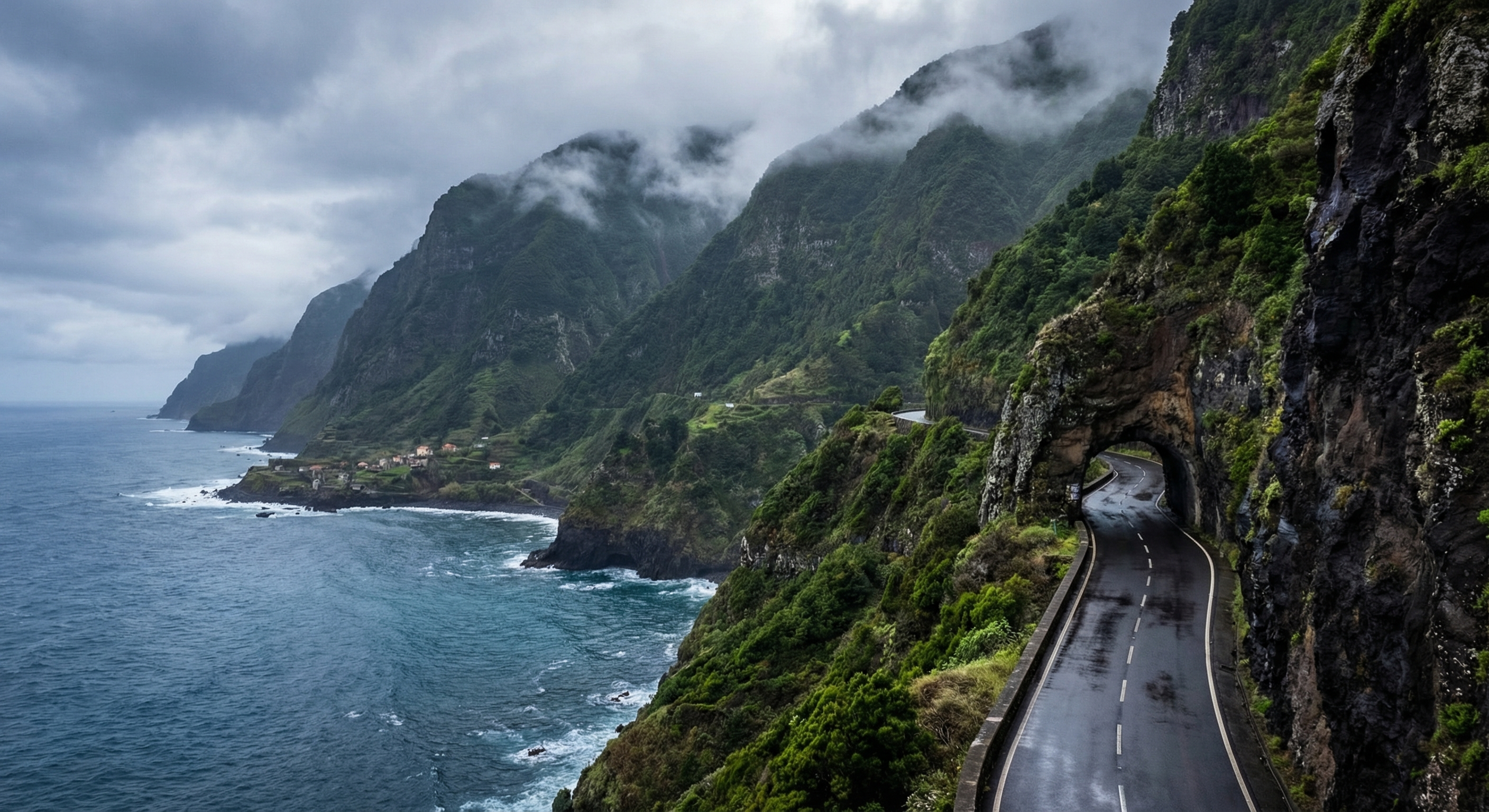
The south coast of Madeira is polished and accessible. The motorway runs from the airport to Ribeira Brava, the roads are wide, and Funchal is right there. It is the Madeira that is easy to see.
The north coast is a different island entirely.
Drive the ER101 from São Vicente to Santana. The road clings to the cliffs above the Atlantic, drops into green valleys, passes through rock tunnels blasted through volcanic mountains, and climbs back up to villages that feel entirely untouched by the kind of tourism that shapes the south. The landscape is wilder, the air is different, and the sense of being somewhere genuinely remote is real even though you are never more than an hour from Funchal.
Do not rush it. Stop at every miradouro. Stop at Seixal beach and the volcanic natural pools. Stop in São Vicente. Stop at Porto Moniz. The volcanic baths there are fed directly by the Atlantic — swimming in them with the ocean crashing over the rocks beside you is one of those experiences that stays with you.
The north coast also has some of the best hikes and smallest villages on the island. Most tourists never make it here. That is exactly why you should.
**Local tip:** The north gets more cloud and mist than the south. This is not a reason to avoid it — it is part of the character. Fanal forest in the mist, the ER101 in low cloud, Seixal with the spray coming off the Atlantic — it looks extraordinary precisely because it is not sunny and perfect.
7. Poncha Tavern on Lombo do Moleiro
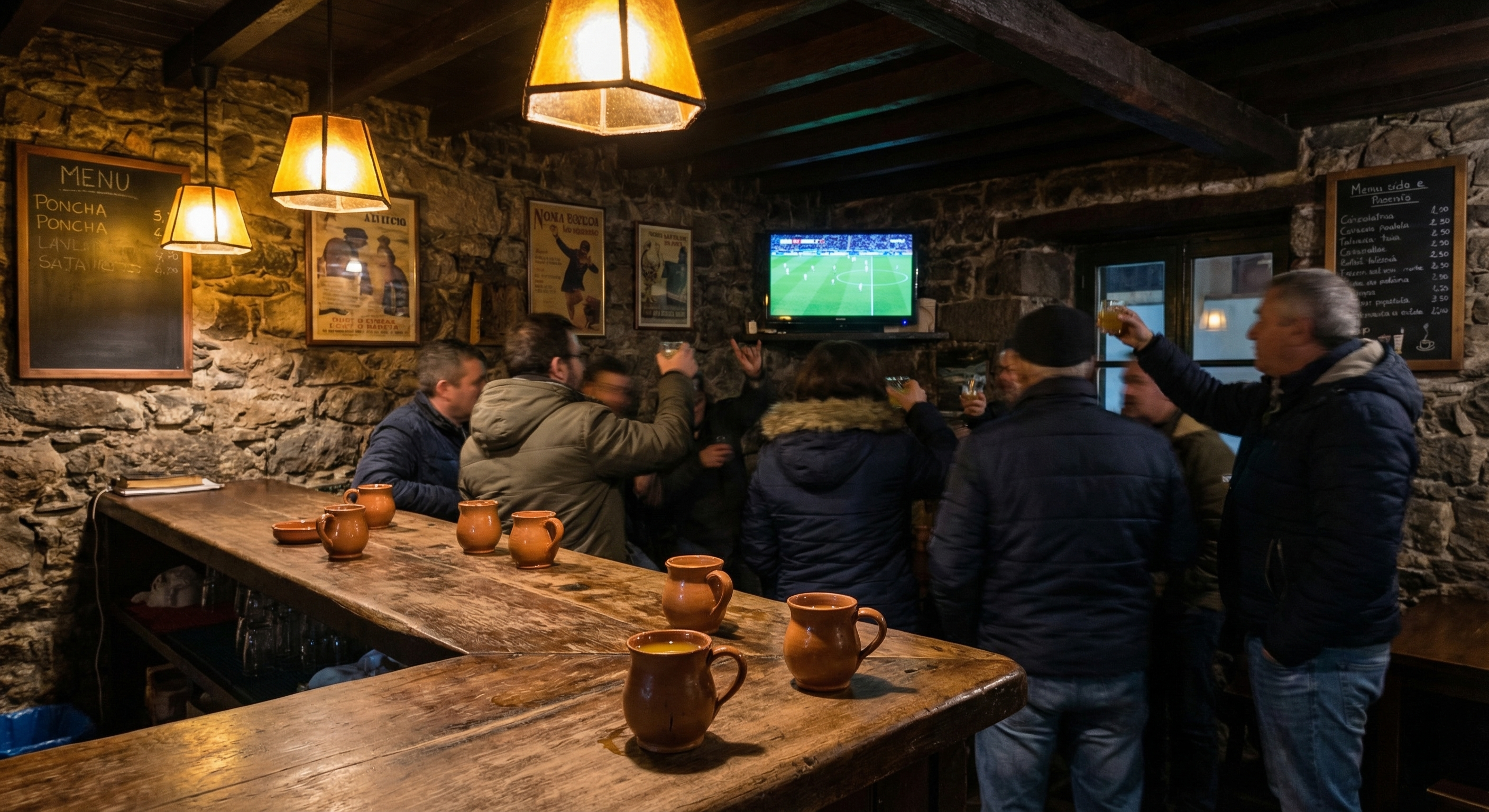
Poncha is Madeira's national drink: aguardente de cana (sugarcane spirit) mixed with lemon juice and honey, served in small clay cups, typically for less than €2. Every village makes its own version. The question is where to find the real thing.
The answer is Poncha Tavern on Lombo do Moleiro. It is widely regarded as one of the best — possibly the best — poncha bar on the island. It is deeply local, the atmosphere is genuine, and the poncha is exactly what it should be.
The best way to understand what "local" means here: when Nacional or Marítimo have a football match, supporters come to Poncha Tavern before and after the game. The energy in the room during a Madeira derby is something you will not find in any Funchal bar aimed at tourists. That is the atmosphere worth going for.
**What to order:** Traditional lemon and honey poncha, passionfruit poncha (poncha de maracujá), or almond poncha (poncha de amendoa) if you want to try something different.
8. Espetada at Vila do Carne
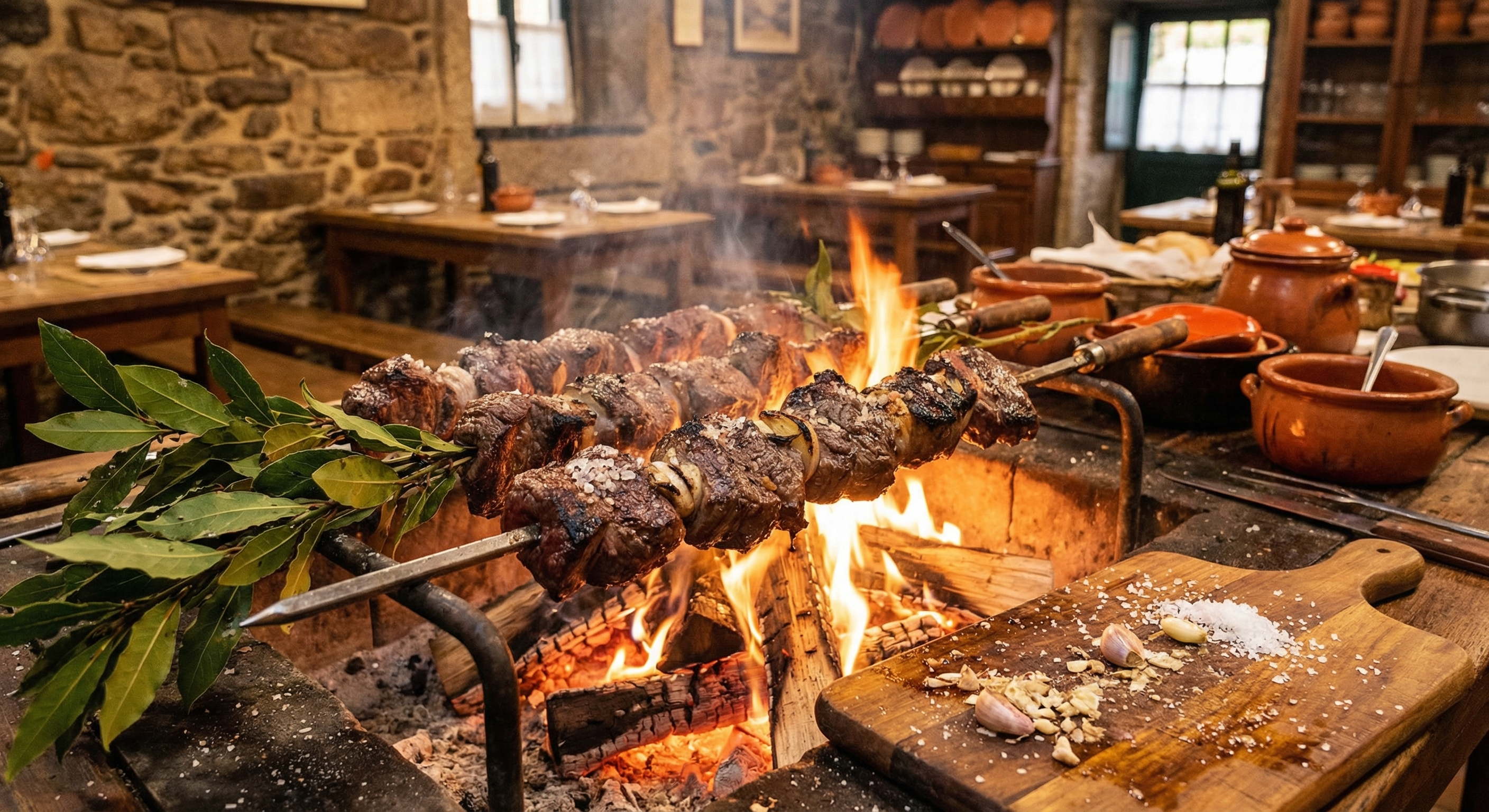
Espetada — thick beef skewers threaded onto a laurel wood branch, seasoned with sea salt and garlic, and grilled over an open wood fire — is Madeira's signature dish. Every restaurant on the island serves some version of it. Vila do Carne does it properly.
The restaurant is in Ribeira Brava, on the south coast. No frills, no concessions to tourism. The espetada arrives hanging from a hook at the table, accompanied by milho frito (fried cornmeal), bolo do caco with garlic butter, and salad. It is one of the best meals you will have in Madeira, and it costs a fraction of what you would pay for something half as good in Funchal.
**The local move:** Combine Vila do Carne with a visit to Câmara de Lobos, 10 minutes along the coast. Two things worth seeing, one afternoon. Câmara de Lobos is the fishing village where Winston Churchill used to come to paint when he was Prime Minister — an authentic, working village that has kept its character despite being just outside Funchal. Have espetada first, then walk the harbour at Câmara de Lobos afterwards.
**Practical info:** Cash preferred, no reservations for small groups, go at lunch. The wait, if there is one, is short.
9. Fanal Forest
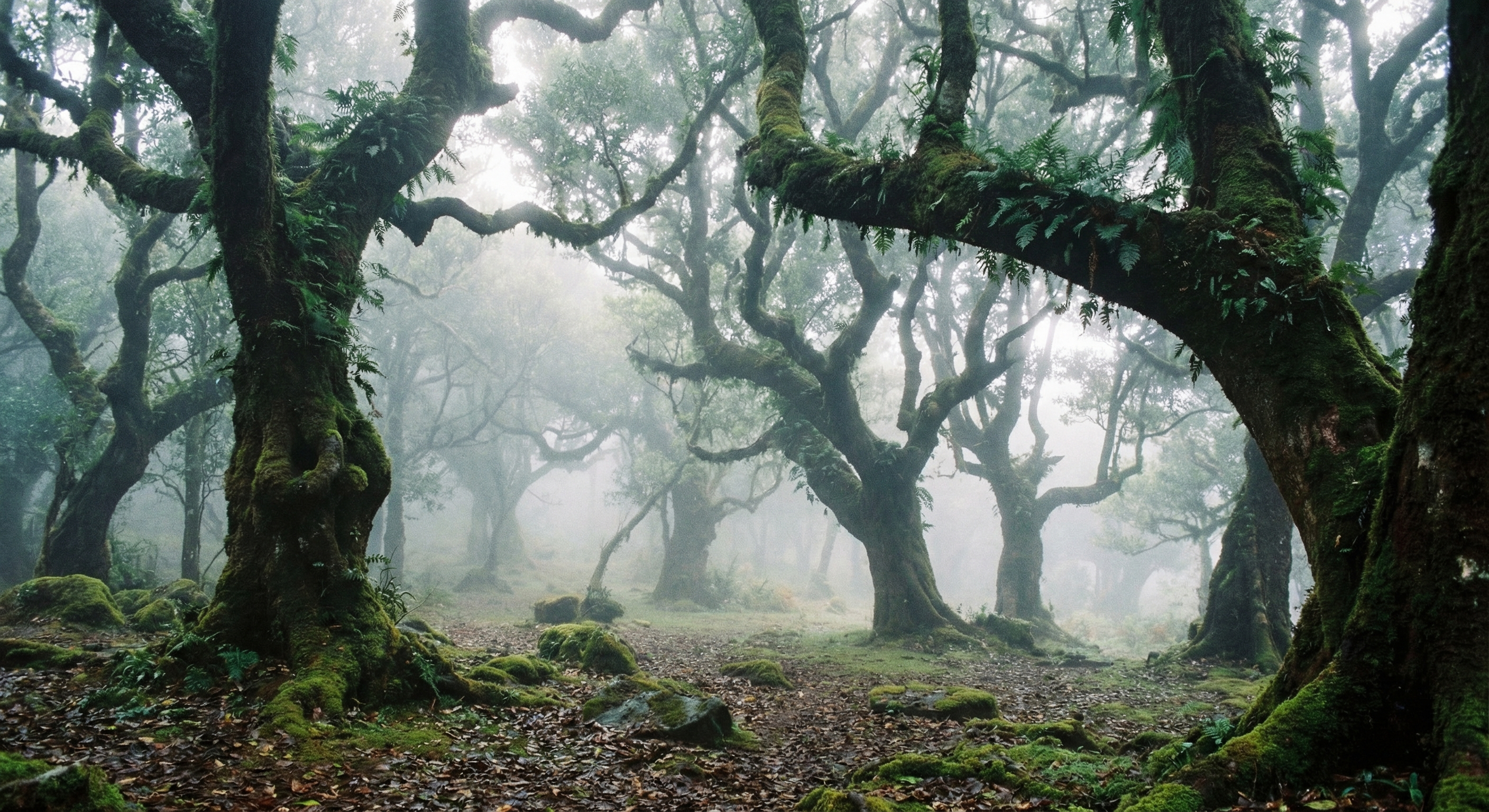
There are places in the world where the landscape stops you completely. Fanal is one of them.
It is like walking into a Narnia film — ancient laurisilva trees, some over 500 years old, standing twisted and covered in thick moss across a high plateau at 1,100 metres. In the mist, which comes often here, the atmosphere shifts entirely. The light changes, the sounds change, and the sense that you have stepped out of the ordinary world into something older and stranger is not an exaggeration. It genuinely feels like a film set, except no film set could look this way without the real thing behind it.
Fanal is part of the Laurissilva of Madeira UNESCO World Heritage site — one of the largest surviving areas of laurel forest in the world. This is the kind of ecosystem that once covered much of southern Europe millions of years ago. What remains here is extraordinary.
**Practical info:** Accessible by car via the ER209 from Porto Moniz or the ER110 from Ribeira Funda. The road is paved but narrow. Several levada trails pass through the forest.
**Essential tip:** Go at 07:00 or 08:00, before the jeep safaris arrive. In the early morning on a misty day, you may have the entire forest to yourself. That silence, with those trees, in that light — that is Fanal at its best.
10. Quinta do Barbusano Vineyards
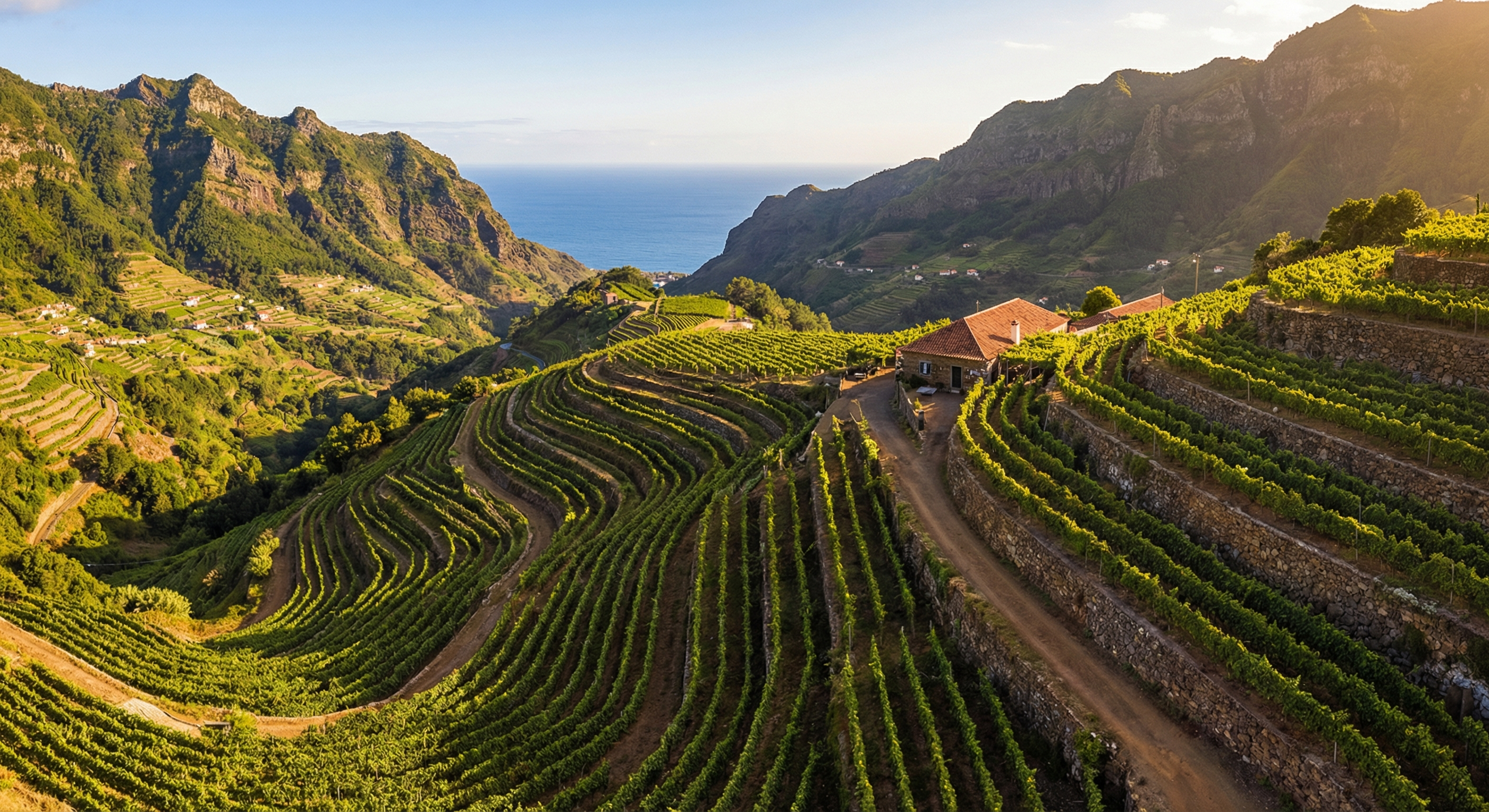
Everyone has heard of Madeira wine — the fortified, aged wine that has been produced on the island for centuries. What most visitors do not know is that Madeira also produces excellent still wines from indigenous grape varieties, almost entirely unknown outside the island.
Quinta do Barbusano, at 450 metres above sea level in São Vicente, is the place to discover them. The terraced vineyards look out over the São Vicente valley and the estate produces whites, rosés, and reds that pair surprisingly well with Madeiran food. The guided tasting includes six wines alongside local cheeses and chorizo. In harvest season, you can pick grapes yourself and tread them in a traditional lagar.
If you are a wine lover, this is absolutely worth the trip. It is a completely different experience from Blandy's — less about the famous fortified wine, more about discovering what the island produces when no one is looking.
**Practical info:** Open Tuesday to Sunday. Tastings at 10:00, 11:45, 14:30, and 16:00. Reserve ahead. Can be combined with lunch on site.
**Local tip:** Pair it with Poncha Tavern in the same area and the north coast drive — the three together make for an exceptional full day.
11. Buggy Driving in Santa Cruz
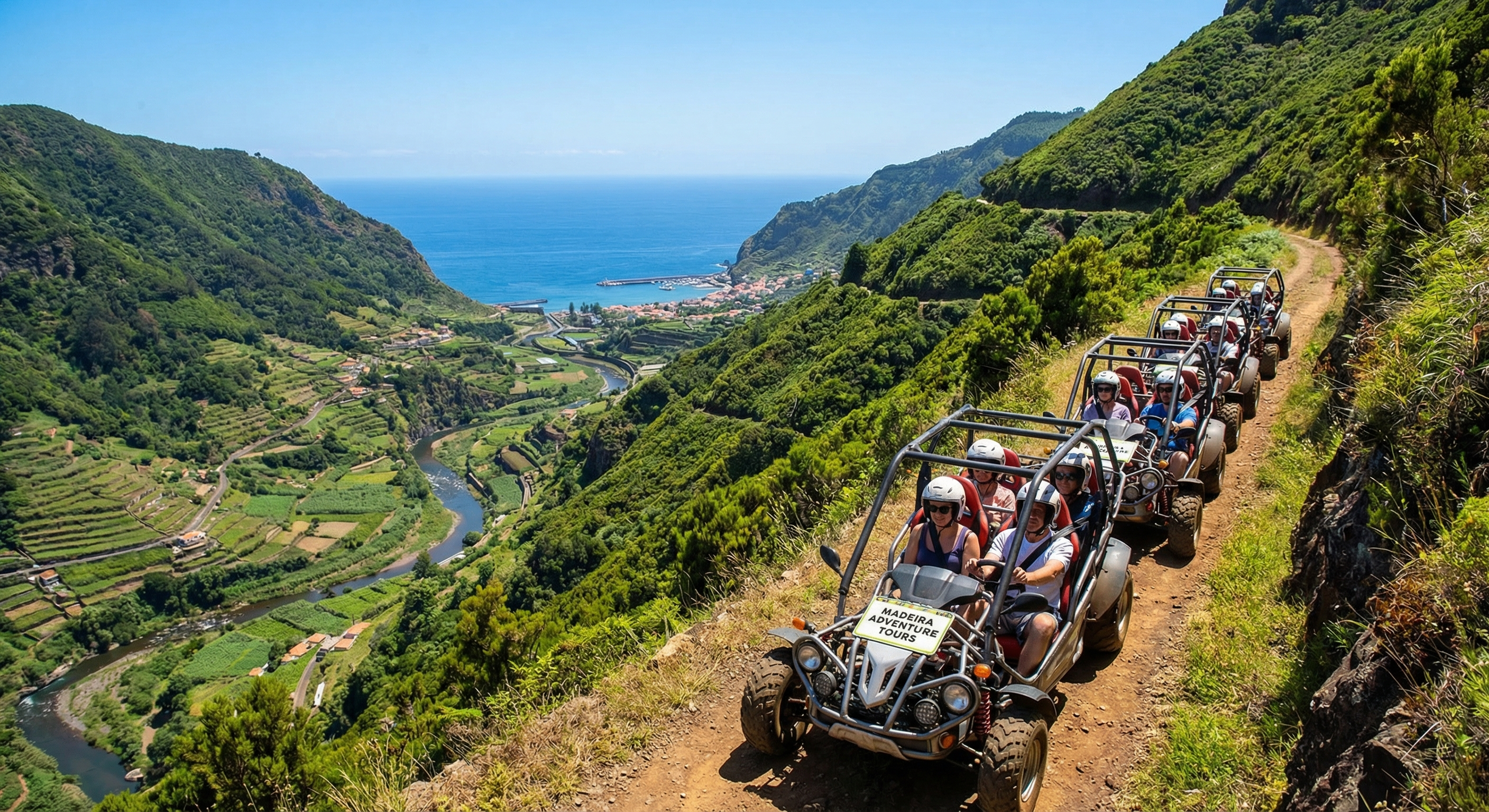
For the adventurer who wants to see the island without following a tour bus, buggy driving in Santa Cruz is the answer. You drive your own electric buggy — no licence required, easy to handle — through mountain villages, levada paths, and viewpoints that no standard vehicle can reach.
It is one of those activities that works better than it sounds. The routes take you into the interior of the island through landscapes most tourists never see, and the format — driving yourself, following a guide — means you can stop wherever the view demands it.
Best done with friends. The more people in the convoy, the more fun the dynamic.
**Practical info:** Tours depart from Santa Cruz on the east coast, about 20 minutes from the airport. 2-3 hour routes. Book ahead, especially in summer.
12. Zipline on the North Coast
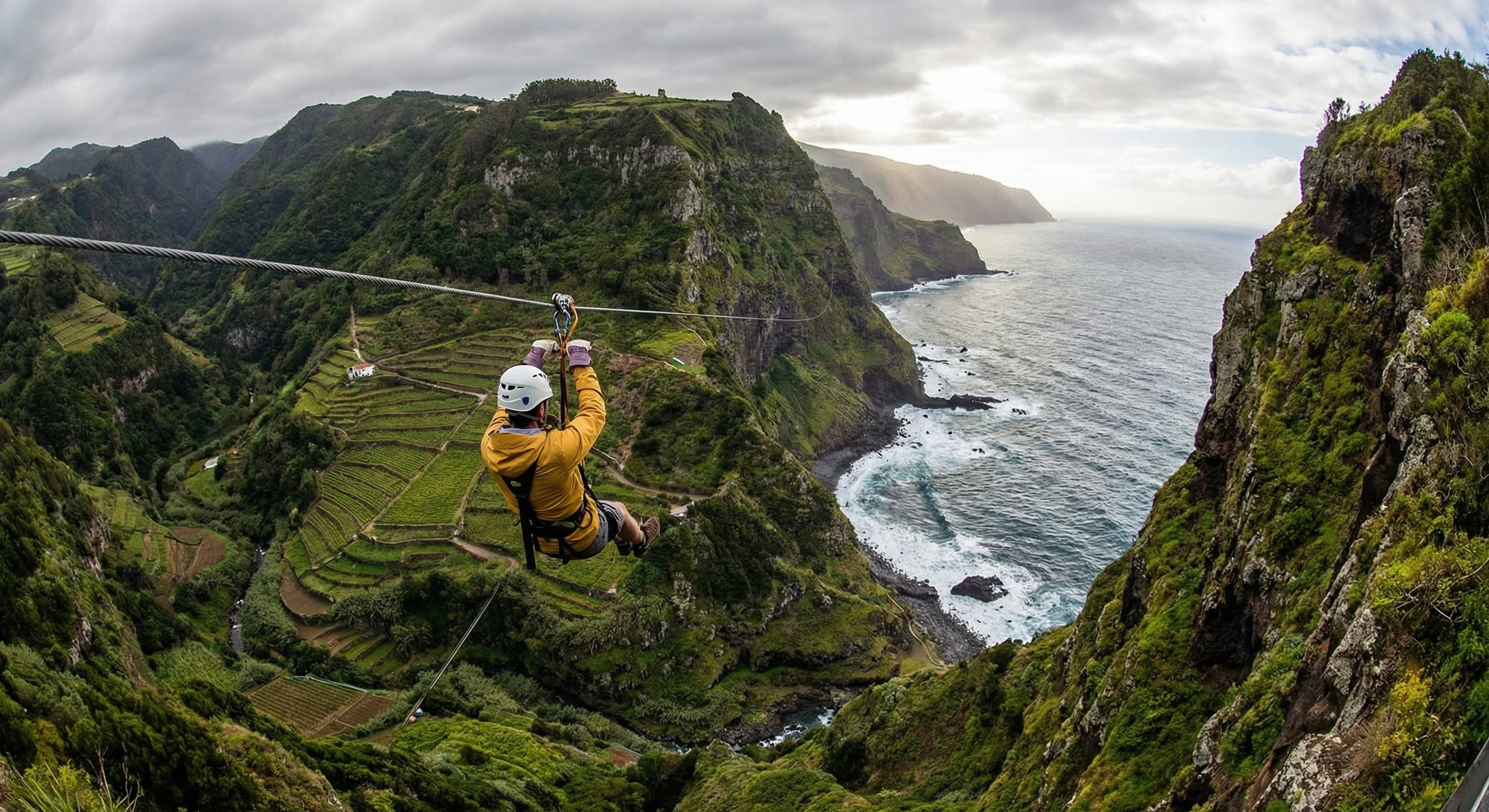
Madeira's north coast cliffs are spectacular from the road. From a zipline running across the valleys above the Atlantic, they are something else entirely.
The lines are long — long enough that the ride builds real speed before you fully process what is happening below you. It is genuinely exciting, not the mild-mannered tourist activity it might sound like. The views during the descent, with the ocean spread out beyond the cliffs, are the kind of thing you want a camera for but will not be able to use because your hands will be otherwise occupied.
**Practical info:** Most zipline operators are located in the northwest of the island around Ribeira da Janela and Porto Moniz. All equipment provided. Minimum age typically 8-10 years. Book in advance.
**Local tip:** Run it as part of a north coast morning — zipline first, then continue along the ER101 to Porto Moniz for lunch and the volcanic pools.
13. Sunset at Miradouro Farol da Ponta do Pargo
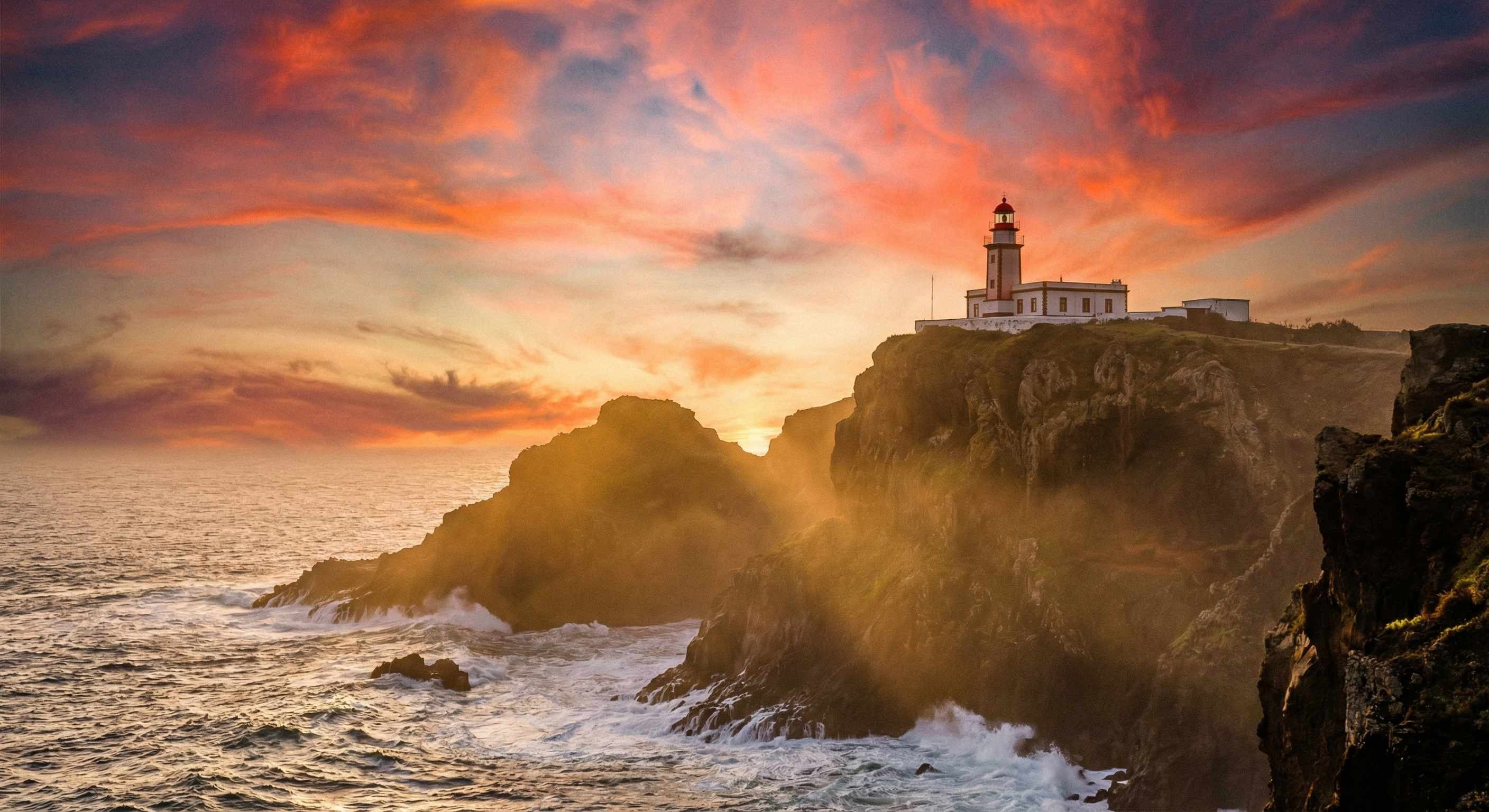
Drive to the western tip of Madeira, as far west as the island goes, and stand at the lighthouse as the sun drops into the Atlantic.
Sunsets are beautiful all over Madeira. Every viewpoint has a good one. But Ponta do Pargo is different — and the difference is the feeling of standing on the edge of the world. There is nothing between you and the horizon. No other land, no other light, just the ocean stretching out until the sun meets it. That feeling of absolute edge, of being at the furthest point of the island with the whole Atlantic in front of you, is what makes this sunset unlike the others.
Most people go to Cabo Girão or the cable car viewpoints. This place sees a fraction of those crowds. The view is better.
**Practical info:** About 1 hour 15 minutes from Funchal by car. The lighthouse is free to visit. The best viewing point is to the left of the lighthouse, directly above the cliffs. Arrive 30-40 minutes before sunset.
**Local tip:** Check the exact sunset time for your date — in winter it can be as early as 17:30. The drive back east along the south coast after dark is easy and straightforward.
14. Canyoning on a Waterfall
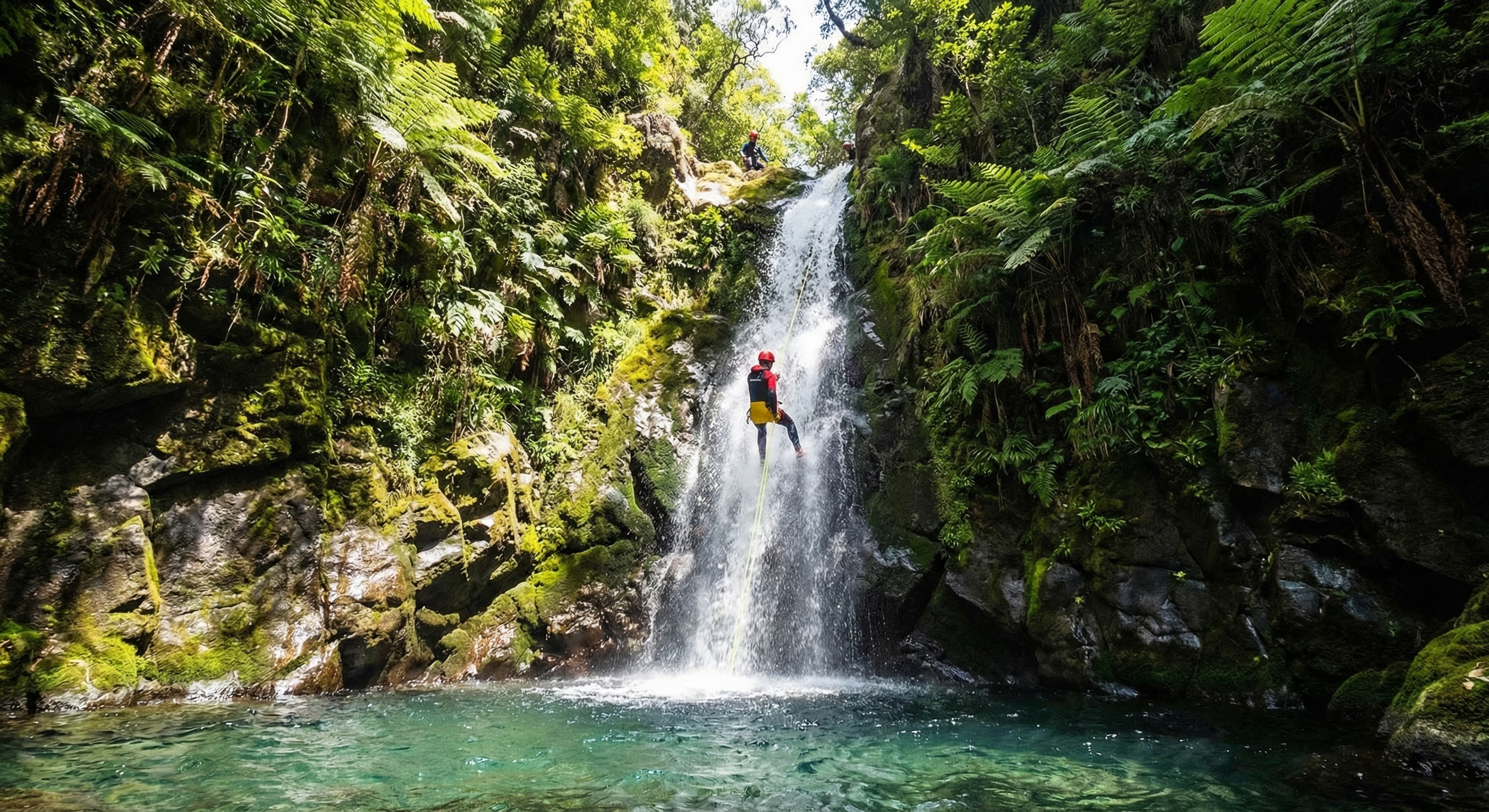
Madeira's volcanic canyons are some of the best in Europe for canyoning. The island's dramatic terrain creates natural channels, waterfalls, and pools that are genuinely spectacular — and accessible to people with no prior experience.
The best beginner option is **Ribeira das Cales**, in the Funchal Ecological Park. Rappels up to 15 metres, natural swimming pools, optional jumps. It introduces you to the sport in a setting that is more adventure playground than extreme sport. For something that properly tests you, **Ribeira Funda** offers a 60-metre waterfall descent and requires reasonable fitness but no technical experience.
**Best operators:** Epic Madeira has the best reputation on the island, consistently rated at the top of TripAdvisor. Madeira Adventure Kingdom is another excellent option.
**Practical info:** Full equipment (wetsuit, helmet, harness) provided. Tours last 3-4 hours. Suitable from age 10 for beginner routes. Book several days ahead in summer.
15. Bottom Fishing on a Boat Trip
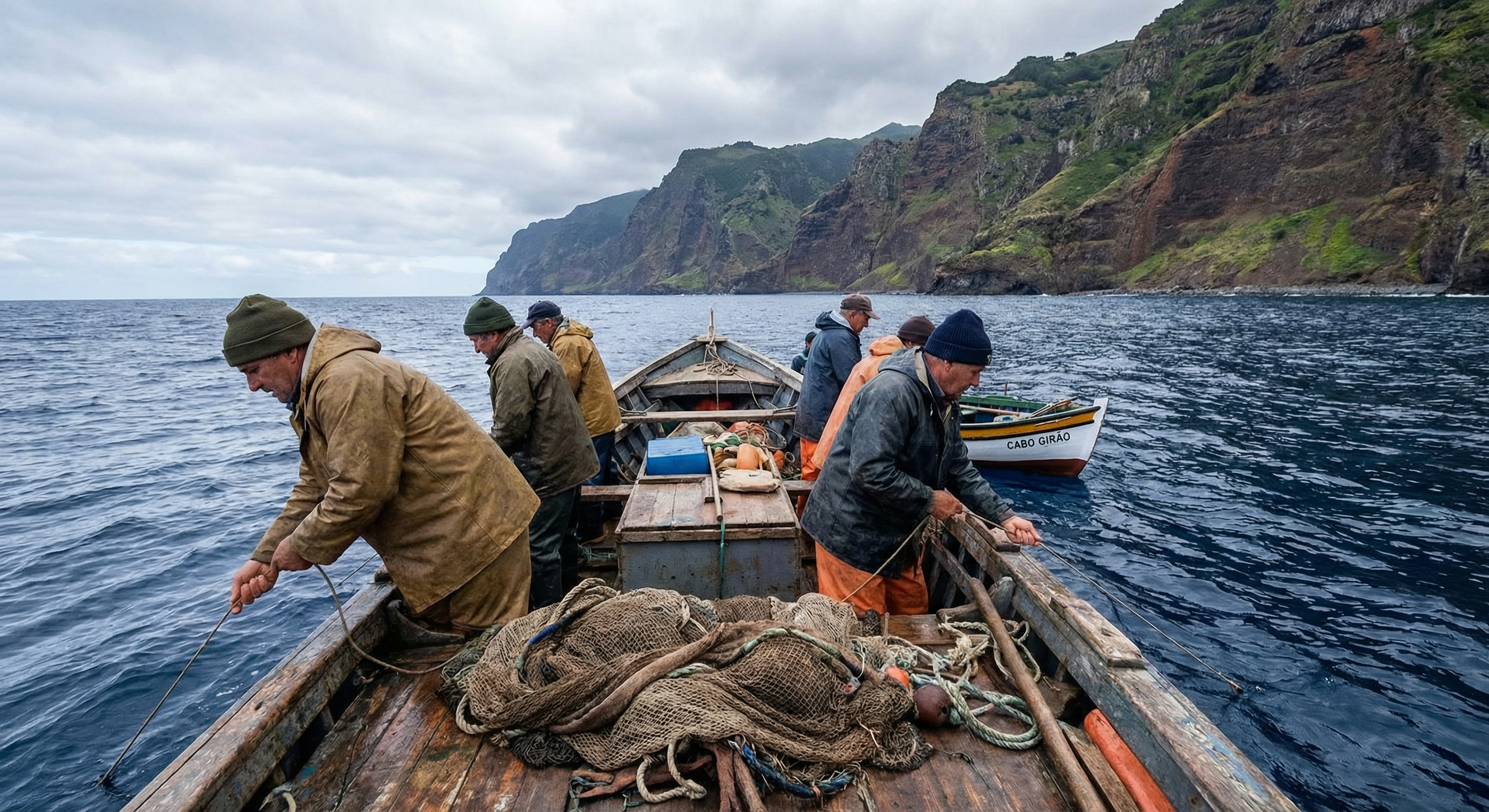
This is not in any guidebook. But it is one of the most authentic experiences you can have on the island.
Here is what most people get wrong when they book a fishing trip in Madeira: they book big game fishing. It sounds exciting — marlin, tuna, the open ocean. The reality is that big game fishing often returns empty-handed. The ocean is vast and the target species are not guaranteed.
Bottom fishing is different. Madeira's waters drop to over 3,000 metres within a few kilometres of the coast, and the deep seafloor is rich in species. Espada (the black scabbardfish that appears on every Madeiran menu), grouper, cherne — these are the fish that locals actually catch. On a good bottom fishing trip, you can realistically land 30 to 40 fish in a single outing. That is the difference between a day that delivers and one that does not.
You fish in the same waters, in the same way, that Madeiran fishermen have done for centuries. And the catch can often be taken to a local restaurant to be cooked — some will do it for a small fee, which is a meal worth having.
**Practical info:** Half-day and full-day trips from Funchal and Calheta marinas. No experience needed. Dolphins and whales are commonly spotted during fishing trips — the deep water that holds the fish also attracts cetaceans.
The Madeira That Most People Miss
The experiences on this list are not the Madeira of travel agency brochures. They are the Madeira of someone who lives here — the recommendations you get when you ask a local over a poncha where to go and what to actually do.
The difference is real. Whale watching from Funchal is a product. Whale watching from Calheta on a small boat, with a chance of orcas passing in the right season, is a memory. Espetada at a tourist restaurant in Funchal is a meal. Espetada at Vila do Carne, cooked the way it has always been cooked, is an experience you will talk about when you get home.
Come with time, rent a car, and go where the locals actually go.
Frequently Asked Questions
**Is sunrise or sunset better at Pico do Arieiro?**
Both are spectacular — but sunrise is more famous, which means it is more crowded. If you are not keen on driving mountain roads in the dark, go for sunset. The views are identical and the experience is often better because you are not fighting for space.
**Can you see orcas in Madeira?**
Yes, once a year orcas migrate past the island seasonally. Whale watching trips from Calheta offer the best chance of a sighting. Year-round, bottlenose dolphins, pilot whales, and sperm whales are regularly spotted.
**What is the best poncha bar in Madeira?**
Poncha Tavern on Lombo do Moleiro. It is deeply local — when Nacional or Marítimo play, supporters come here before and after matches. The atmosphere is unlike anything in Funchal.
**Is Calheta beach worth visiting?**
Absolutely — it is the best natural swimming beach on the island. It also has padel courts, a good Italian ice cream spot, and serves as departure point for whale watching. Warning: parking gets very busy in summer.
**What makes the north coast different?**
It feels like a completely different island. Wilder landscape, quieter villages, volcanic swimming pools at Porto Moniz and Seixal. Most tourists never see it, which is reason enough to go.
**Is bottom fishing or big game fishing better in Madeira?**
Bottom fishing, without question. Big game fishing often returns empty-handed. Bottom fishing in Madeira's deep waters can yield 30-40 fish in a single trip. Far more productive and, honestly, a more authentic Madeiran experience.


